

Tastemakers Interview: Natasha Motsi and Karl Mudzamba (77 Spirits Inc.)
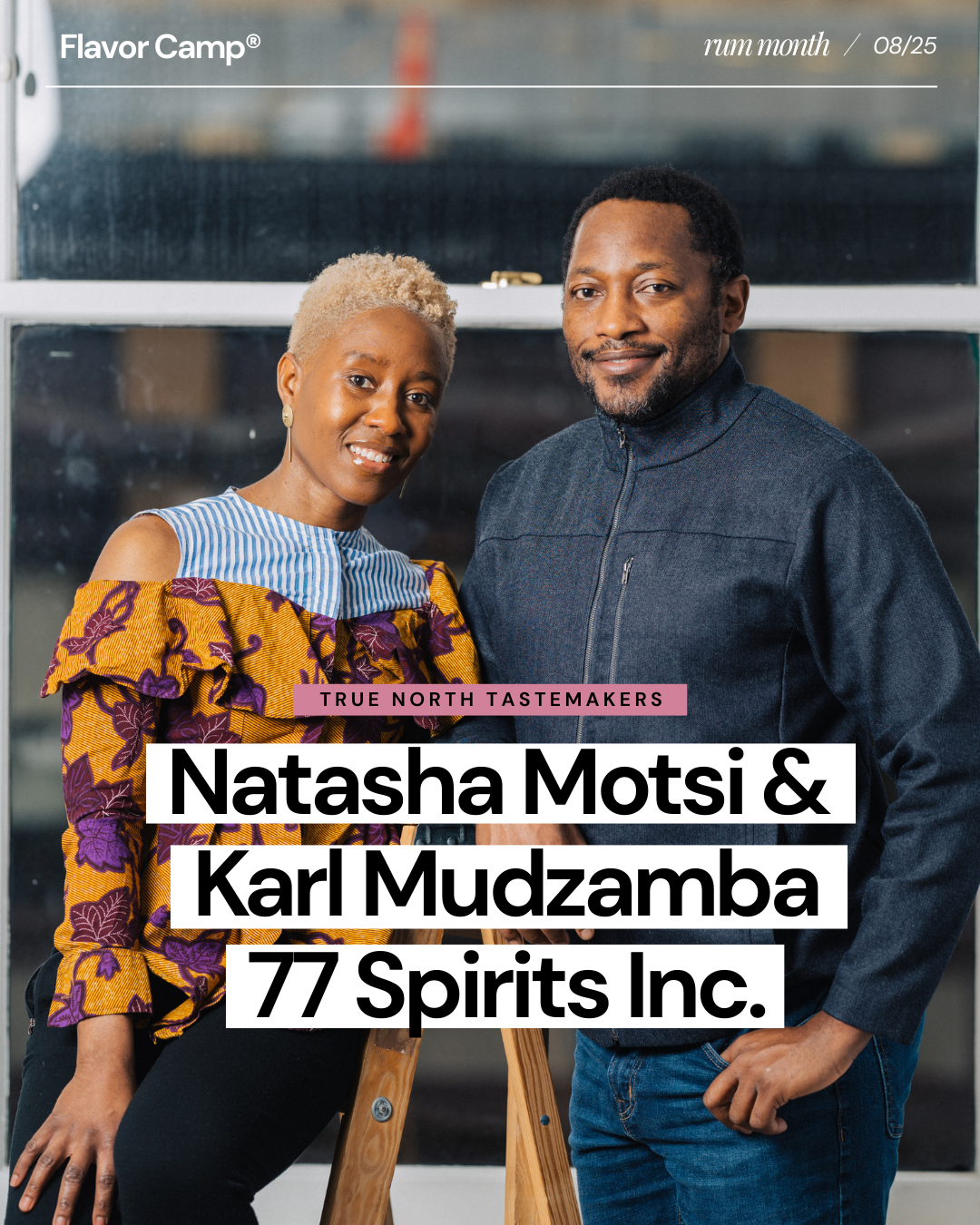
In a landscape where many brands still echo the same stories, 77 Spirits Inc. stands apart with a voice that’s bold, unapologetic, and rooted in heritage. Founded by Natasha Motsi and Karl Mudzamba, the Black-owned importer and distributor takes its name from both the “exceptional spirits” it champions and the year of Karl’s birth—1977—a nod to legacy and beginnings. Their mission goes beyond the bottle: curating unique blends, celebrating culture, and reimagining tradition for modern tastes.
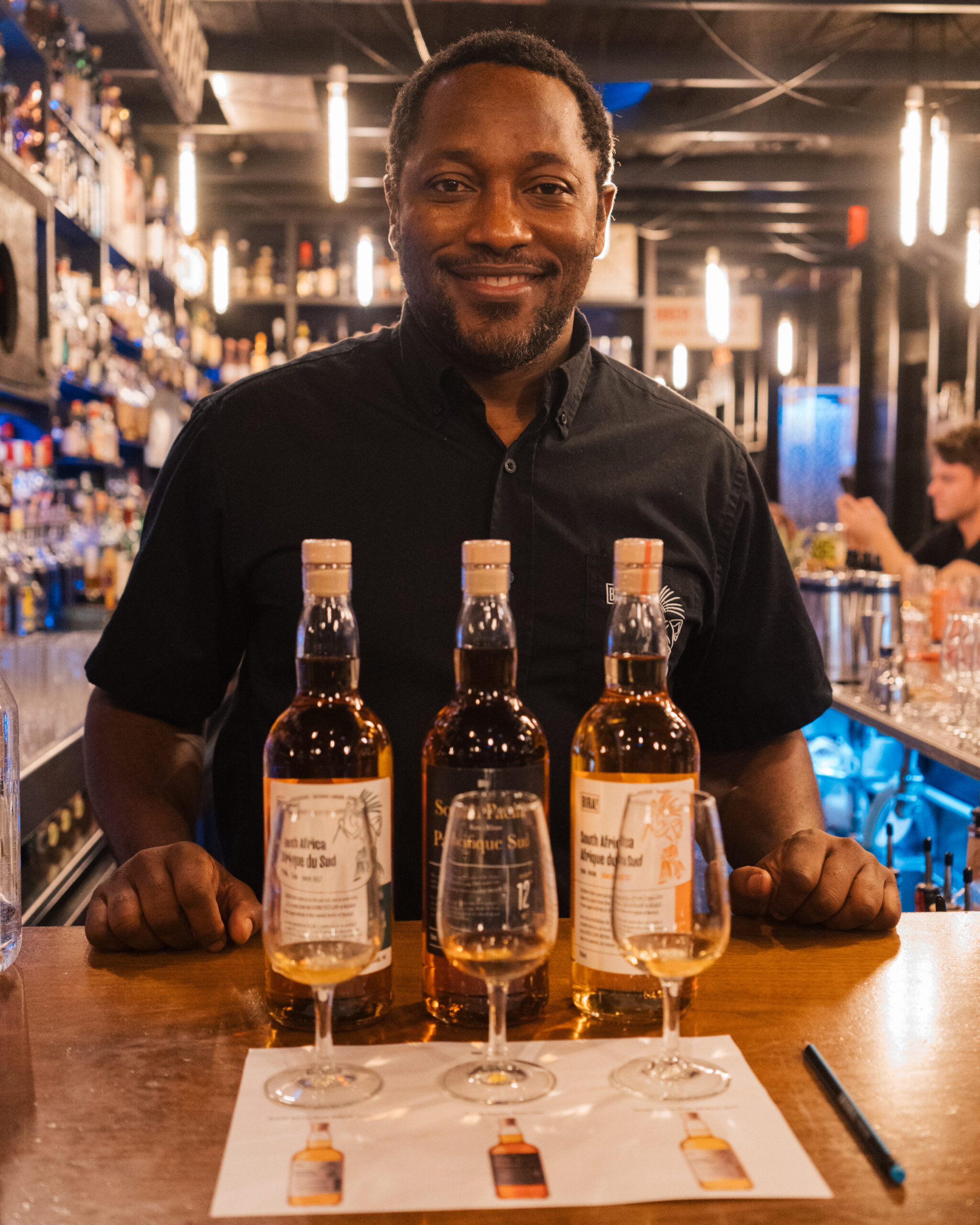
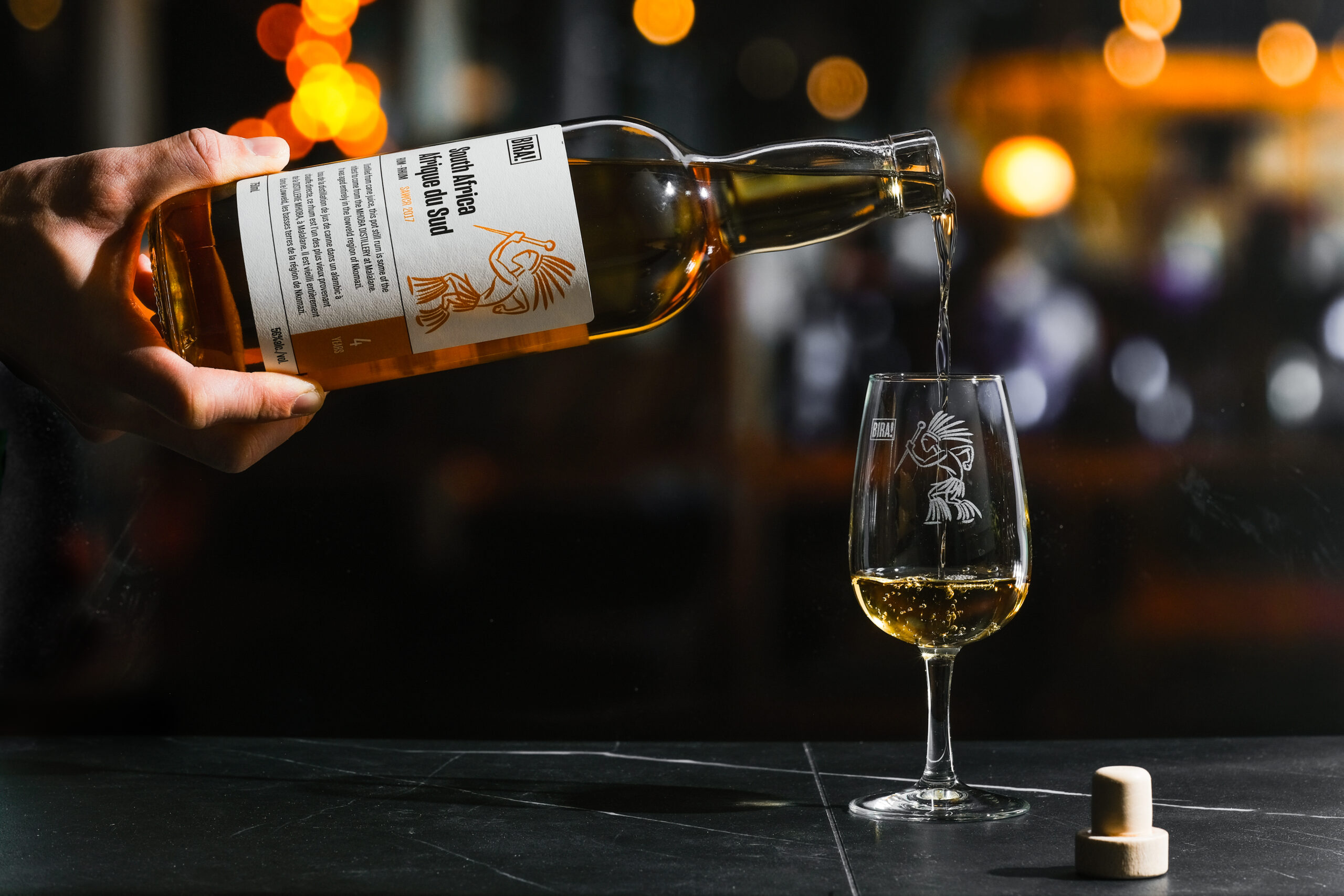
Out of that vision came BIRA!, their flagship independent bottler brand that now offers five distinct sugarcane spirit expressions. This model gives them both creative autonomy and the freedom to champion exceptional rums that reflect authenticity and individuality. With every release, Natasha and Karl are not only bringing world-class rum to Canadian shelves, they’re also amplifying underrepresented voices and reshaping how consumers connect with the stories behind each bottle.
1. What inspired you to launch 77 Spirits, and how did your vision evolve during its early days?
We are Zimbabwean and have lived in Canada since 2011, after spending 11 years in New Zealand. We love rum, so our journey has been a complete immersion into the spirit. Over the years, we’ve tasted countless rums, pursued knowledge through distillery visits, attended rum festivals and events, and built an extensive library of books. The internet—and its communities of like-minded enthusiasts—has been an invaluable resource, full of lively, informative debates.
At some point, Karl felt compelled to contribute to these rum conversations by participating in the industry. Since Canada has limited access to great rum, we set out to change that in our own way. We explored importing some of our favourite brands not available here, and came close a few times, but quickly learned that enthusiasm alone isn’t enough. For a brand, taking a chance on a rookie is risky—and while we took the rejections personally at first, we understand them now.
Still determined, in 2017 we founded 77 Spirits Inc. A couple of years later, curiosity led us to explore independent bottling. Out of that came our flagship brand, BIRA!, an independent bottler now offering five unique sugar cane spirit expressions. This model gives us greater autonomy and has been incredibly rewarding.
In a full-circle moment this year, we imported another indie—Bedford Park—which bottles both rum and whisky, perfectly complementing BIRA!’s lineup. We’re also developing a new brand to offer an economy option while staying true to our ethos: small batch, unique, and unadulterated.
2. 77 Spirits Inc. sources unadulterated, uncoloured, non chill‑filtered sugar‑cane spirits—why was this sourcing philosophy so important to you?
At 77 Spirits, we believe rum is one of the most versatile and undervalued spirits in the world. It can be savoured fresh from the still, aged into deep complexity, mixed into cocktails, or reimagined in classic recipes. Yet here in Canada, rum still faces outdated perceptions—that it’s overly sweet or only belongs in tropical drinks with fruit juice and umbrellas.
BIRA! exists to change that. We bottle only authentic rums: non-chill filtered, uncoloured, and unadulterated. Every release is crafted to showcase rum’s depth, character, and sophistication—earning it a rightful place alongside the finest whiskies and cognacs, and redefining how the spirit is experienced.
At 77 Spirits, we believe rum is one of the most versatile and undervalued spirits in the world. It can be savoured fresh from the still, aged into deep complexity, mixed into cocktails, or reimagined in classic recipes. Yet here in Canada, rum still faces outdated perceptions—that it’s overly sweet or only belongs in tropical drinks with fruit juice and umbrellas.
3. Could you walk us through the process of curating each limited‑edition rum—from selecting origins to ensuring authenticity?
In the indie market, rum from traditional source countries—Jamaica, Trinidad, Guyana, Barbados, and St. Lucia—is already well represented. For BIRA!, we deliberately chose to start off the beaten path. Sugar cane is grown in many places around the world beyond the Caribbean, and where there’s sugar cane, there’s usually rum.
When we identify a distillery that might be a good fit, we reach out. If they’re open to selling us bulk rum, we request samples. We taste them together, and if we agree on a selection, it goes for lab testing to ensure there are no chemical issues. Once cleared, we arrange shipment to our bottler, Rock Spirits in St. John’s, NL.
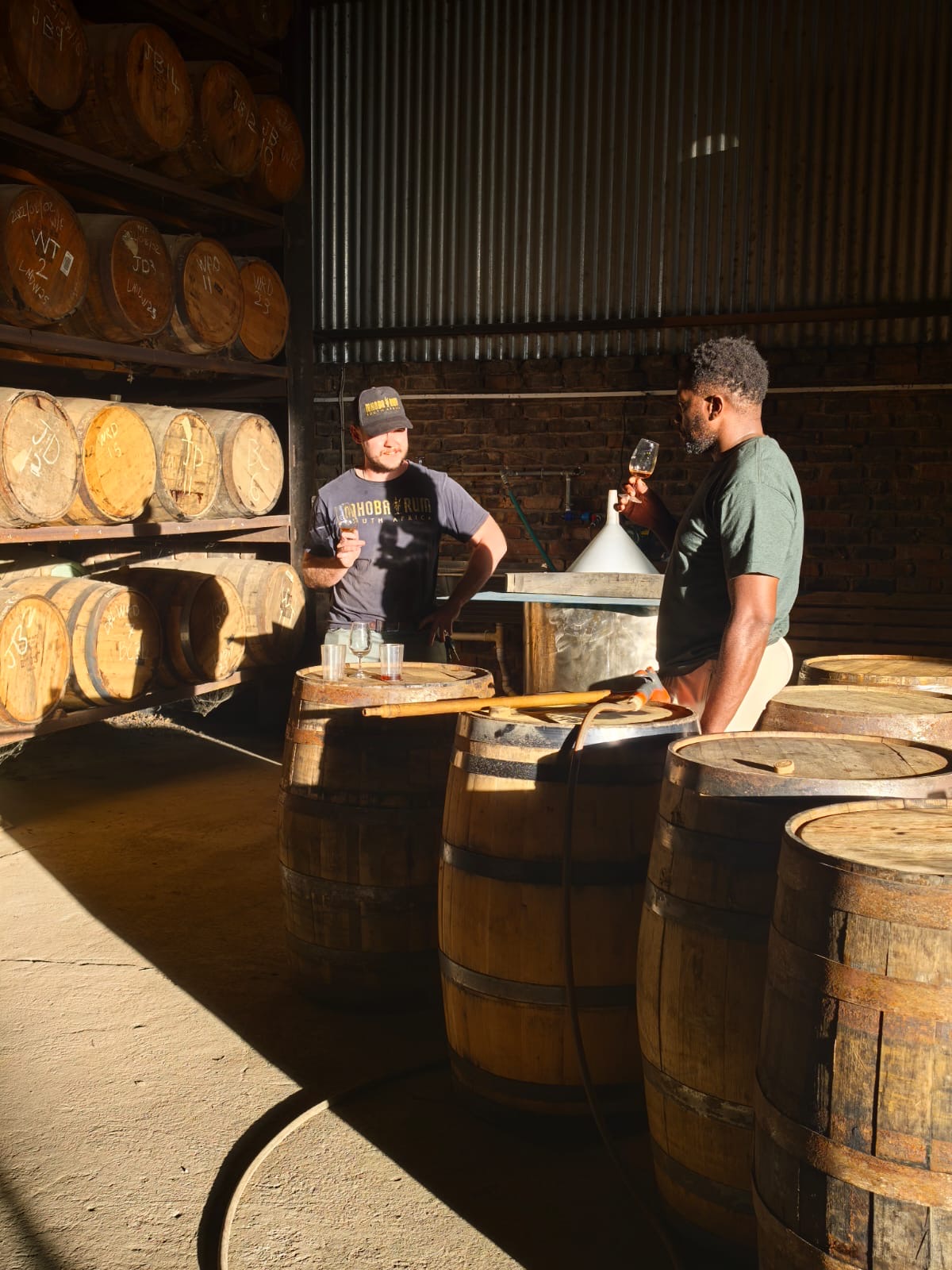
Whenever possible, we visit the distillery in person to see how they create their magic—something that helps us tell their story authentically. After bottling, the rum is shipped west to market, ready to be shared with enthusiasts and newcomers alike.
4. What role does storytelling play in connecting with your customers and partners?
Consumers who buy and enjoy indie rums value provenance. The more detail we can share about the rum we bottle, the stronger the connection with our customers. Each expression is truly a celebration of the makers behind it. As mentioned earlier, visiting distilleries allows us to tell richer stories—capturing the processes, traditions, and heritage of the people who craft the rum. Ultimately, they deserve all the praise, and our role is to honour their work by sharing it authentically with the world.
5. Small-batch limited editions create exclusivity. How do you see this strategy evolving as you grow the brand?
Exclusivity will remain at the heart of our growth strategy. We envision creating bespoke bottlings for select stores, bars, and spirits clubs—expressions crafted with their unique identity and clientele in mind. These collaborations not only deepen our connections with partners but also offer collectors and enthusiasts something truly unrepeatable. Conversations are already underway, and we’re excited to bring some of these one-of-a-kind releases to market in the near future.
6. Looking ahead, what are your aspirations for expanding 77 Spirits’ reach, or possibly introducing new categories or markets?
The current tariff situation has opened new opportunities within Canada. Our plan has always included building a stronger presence in the large eastern markets of Ontario and Quebec. As a small-batch producer, expanding into multiple markets helps us move cases more efficiently. We expect some interprovincial barriers to ease, making it easier for small brands like ours to gain access.
Beyond Canada, we’re actively exploring the U.S. and European markets, with a long-term goal of widening our footprint and sustaining it. While 77 Spirits currently handles some whisky through Bedford Park, agave spirits are also a fascinating category we may explore in the future.
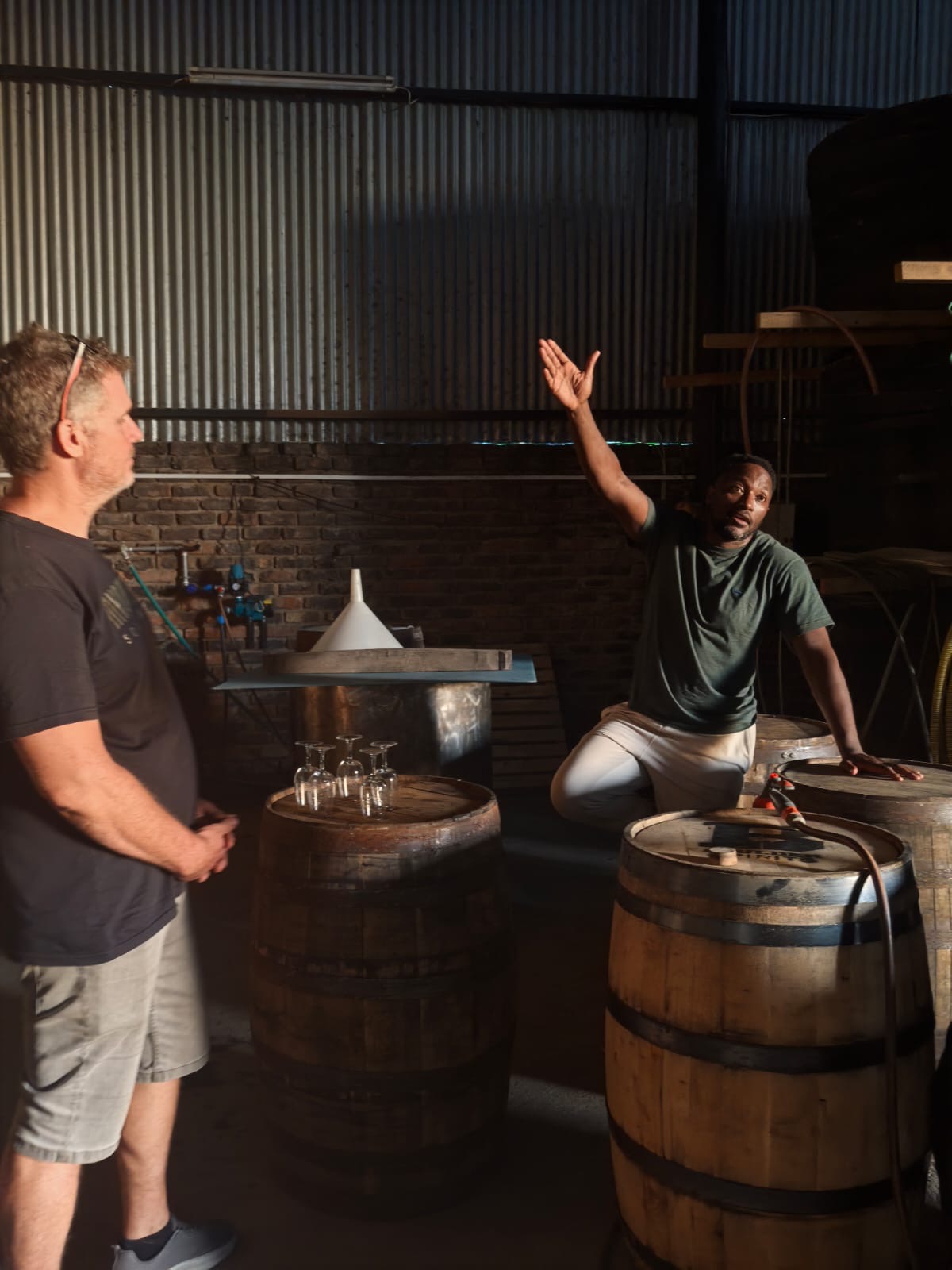
7. What challenges have you faced as a Black‑owned and minority‑owned business in the spirits industry, and how have you overcome them?
As a Black‑owned and minority‑owned spirits business, our biggest challenges are gaining shelf space and making sure consumers know our brand exists. With a small marketing budget, we’ve learned the hard way where to invest our resources to generate real impact. Early efforts focused on expanding our footprint, but we’ve found more value in supporting the stores that already carry us—through masterclasses, tastings, and education—which strengthens relationships and drives sales affordably.
8. What kind of industry support would you like to see more of!
Financing is a hurdle: the risk is on us until a bottle sells, and resources are tied up for months. The most meaningful support for small brands like ours is access—to retailers, bars, and consumers. We’re confident in the quality of our product; we just need the opportunity to share it with the right audience.